Wireframes
(High-Fidelity)
1
⬩
Introduction
✦
Time on Frog Island is an indie adventure puzzle game released in 2022. It’s wonderful and packed with a lot of charm. I wanted to challenge myself to think of ways to make this game more accessible.
What makes the game special:
◆ Spaghetti trade networks between numerous NPCs.
◆ Sandbox non-linear exploration on a large mysterious island.
◆ Discovering things on your own is fun.
◆ Solving puzzles and figuring out how to connect the dots in the trade sequences makes you feel smart.
◆ Absolutely no written dialogue. Instructions are simple and communicated with visuals.
What makes the game less accessible:
◆ Nothing is tracked for players in the game’s menus (requests from NPCs, location of items, etc.)
◆ There is no map to help players orient themselves on the vast island.
◆ If players take breaks between play sessions, it’s pretty hard to remember where they left things off.
I have no association with this game or the dev team. Just doing this as a personal project for a game I loved.
2
⬩
game loop
✦
Puzzle Example
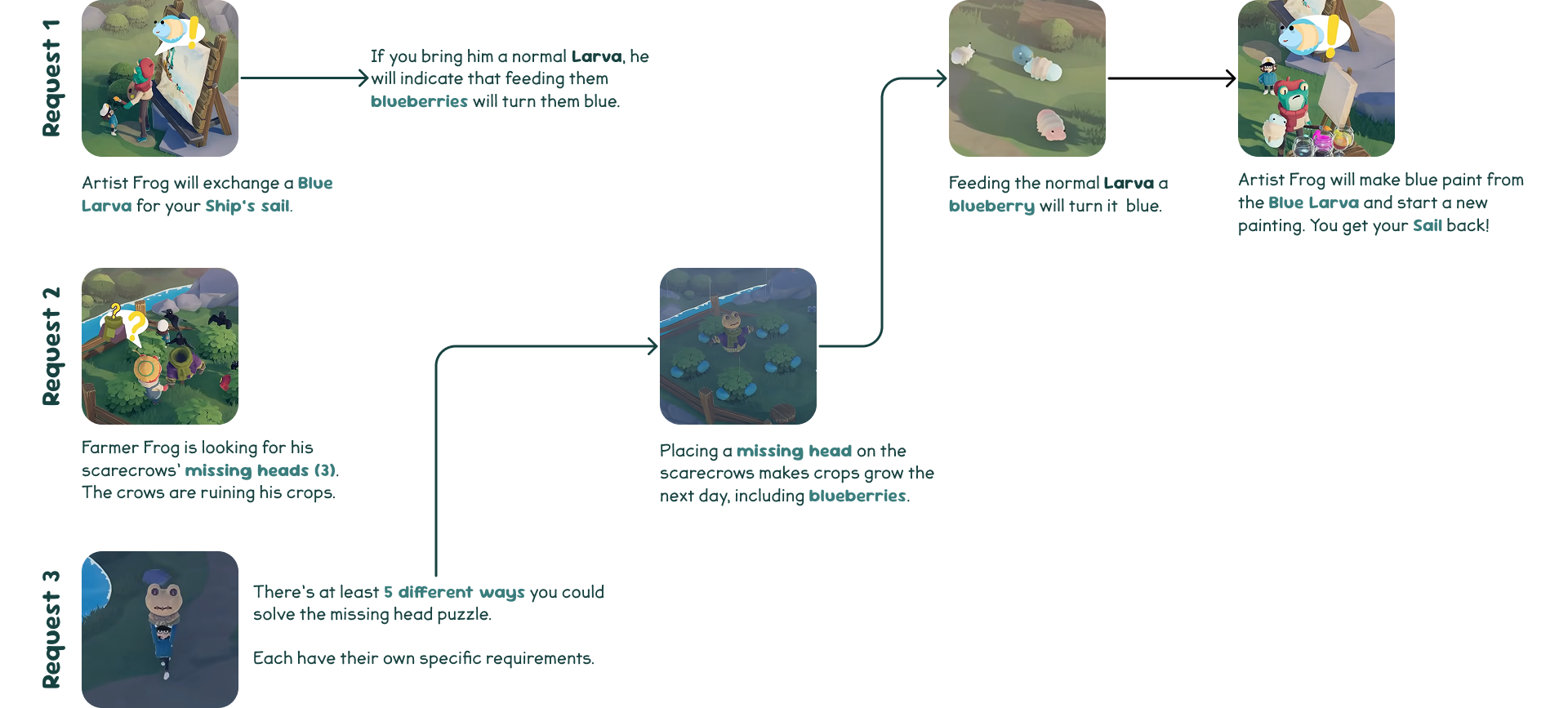
Here is an example of an early game puzzle. As you can see, 3 different requests are performed in parallel to complete the main puzzle.
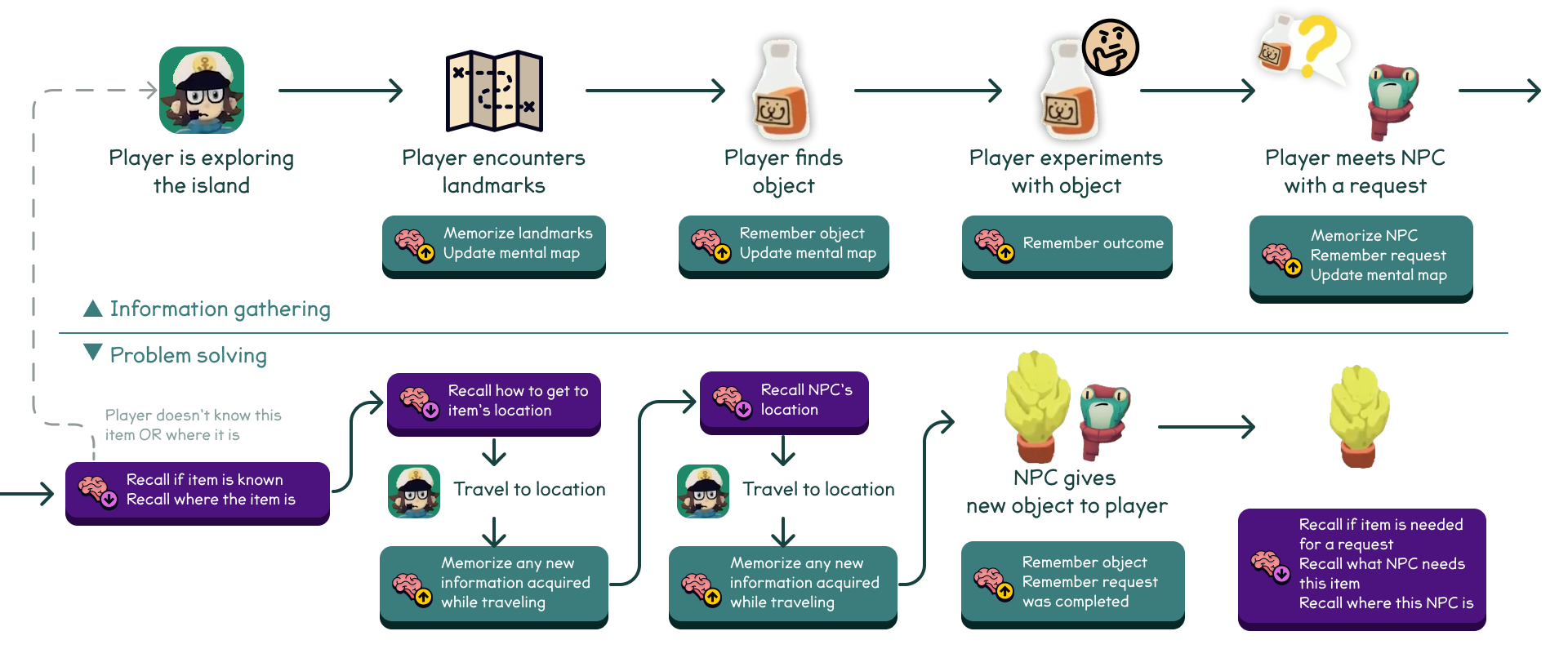
Analyzing Gameplay Loop
A look at the gameplay loop reveals how much mental load is put on players.
3
⬩
challenge
✦
The DNA of this game is exploration and the satisfaction of figuring things out on your own. So how do you improve players’ experience and make it more accessible without sacrificing what makes it special?
UX Problems to solve
◆ Significantly reduce the mental load on players.
◆ Support players who struggle with sense of direction.
◆ Reduce how much information players have to memorize and recall.
◆ Improve experience for players returning after a break.
Guiding principles
Based on my interpretation of the Game Direction, here are some guidelines I’ve laid out to respect the charm of the original game.
◆ Information will not be revealed to players before they discover it on their own.
◆ Any form of assistance doesn’t give away the puzzle solutions or hints at them.
◆ Added assistance features are optional. Players can opt for the original, less-guided version of the game.
4
⬩
solutions
✦
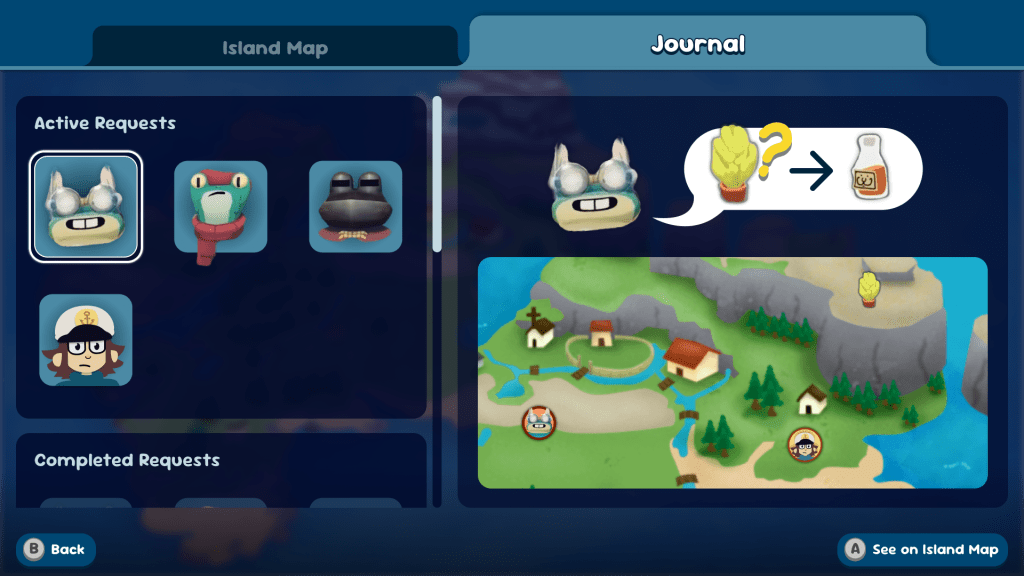
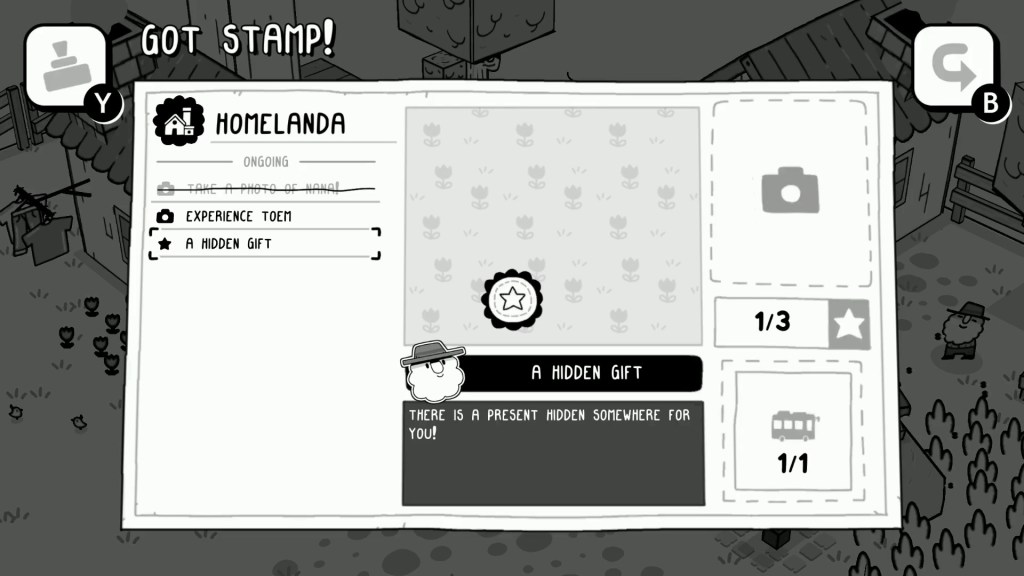
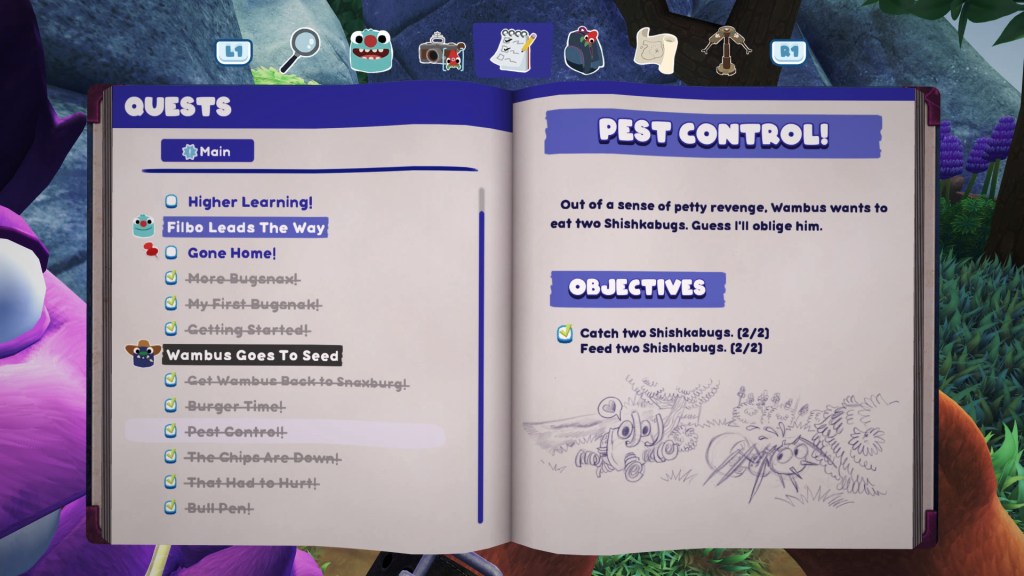
A) Add a Journal Menu that tracks NPC Requests
◆ Tracks all the requests the player has discovered since the beginning of their adventure.
◆ Indicate which NPC is associated with each request and what item the player will receive from the request.
◆ Divides requests between active and completed.
.To respect the guiding principles:
◆ Does not indicate when a request is “ready” to be completed or how quests are connected.
◆ Does not notify if an NPC has a new request available.
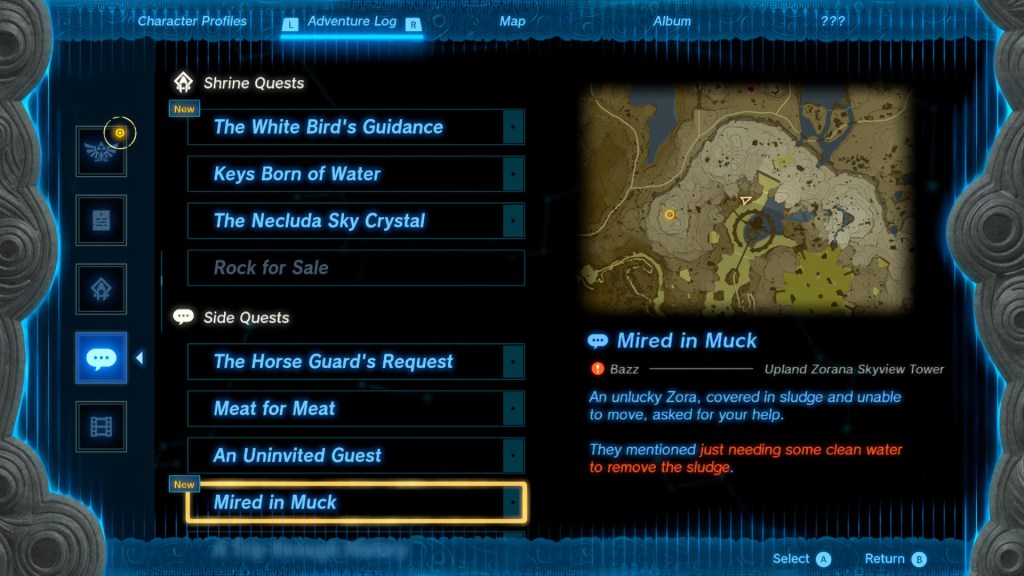
Wireframes (High-Fidelity)
✦
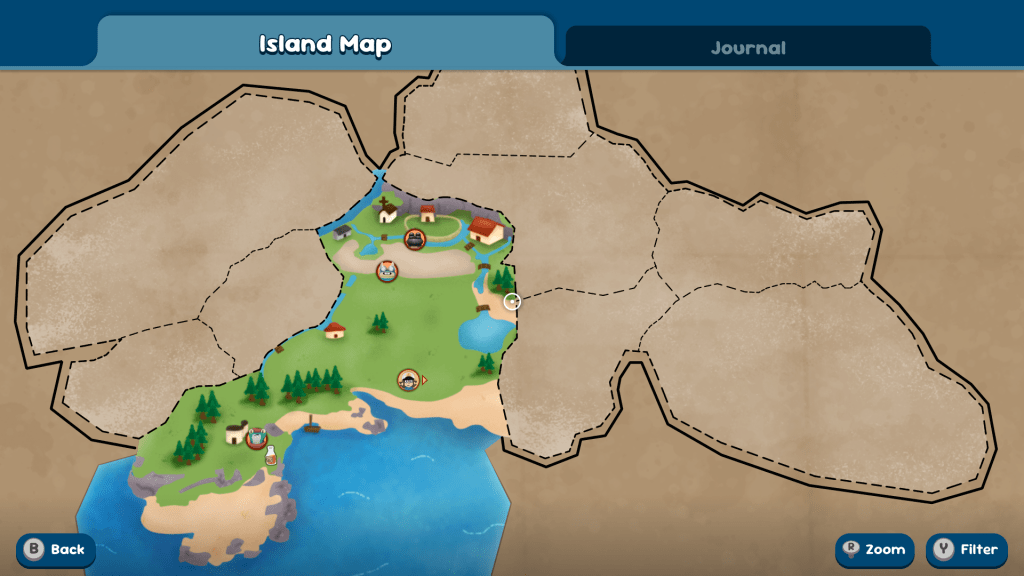
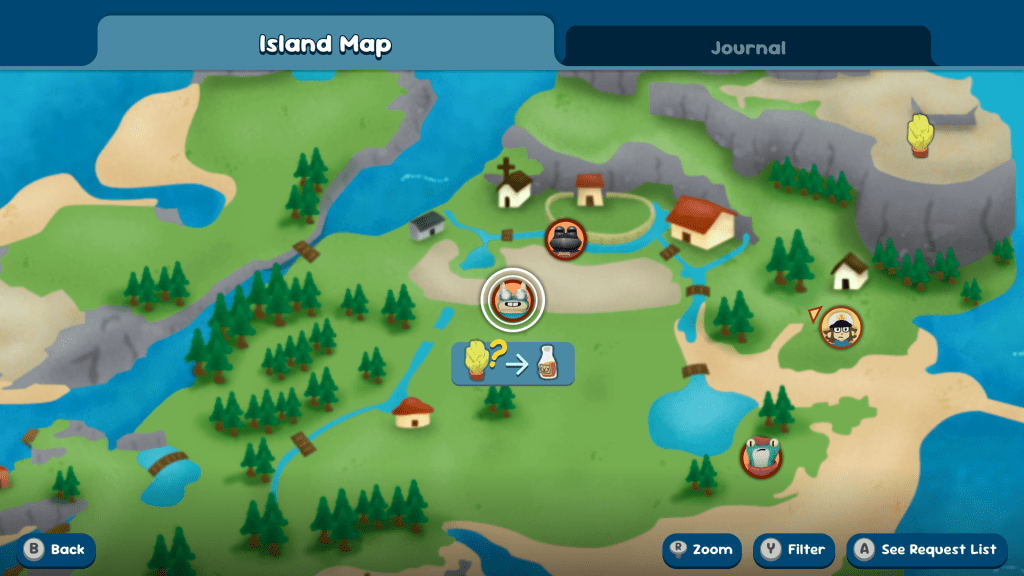
B) Add a Journal Menu that contains a map
◆ Only displays details in the areas the player has already visited. Unexplored areas are silhouetted with almost no details.
◆ Contains major landmarks of the island and gives the current location of known NPCs.
◆ Indicates the location of items relating to requests (if the item was already discovered by the player).
◆ Map/Requests sections are interconnected as they will be used in tandem.
To respect the guiding principles:
◆ Does not contain roads.
◆ Does not indicate how to reach specific locations.
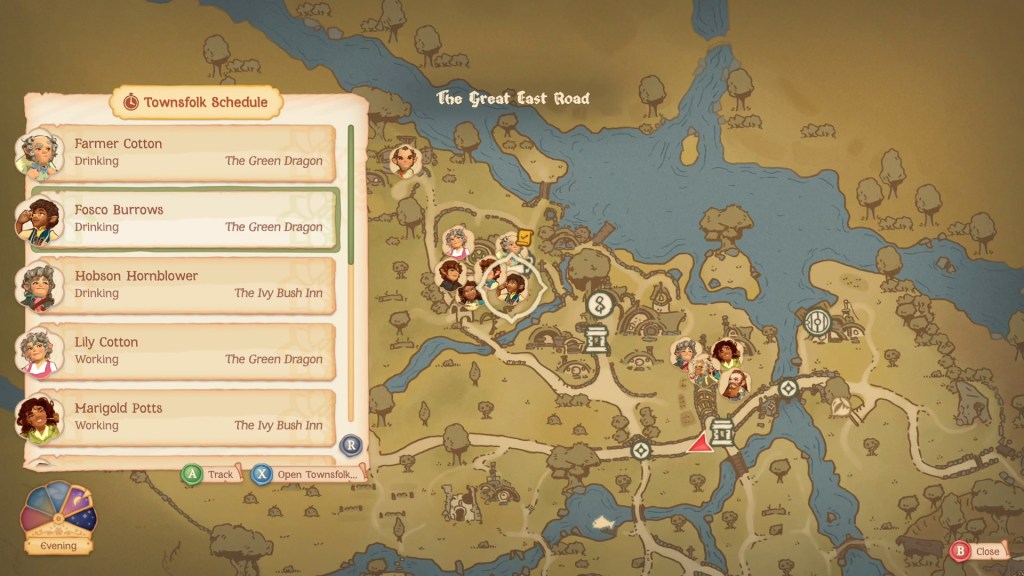
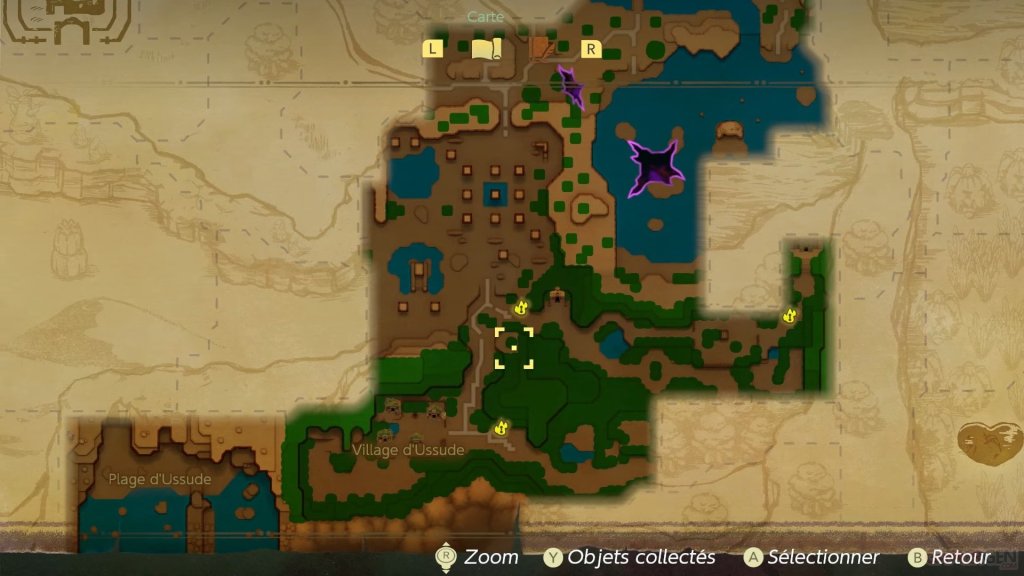
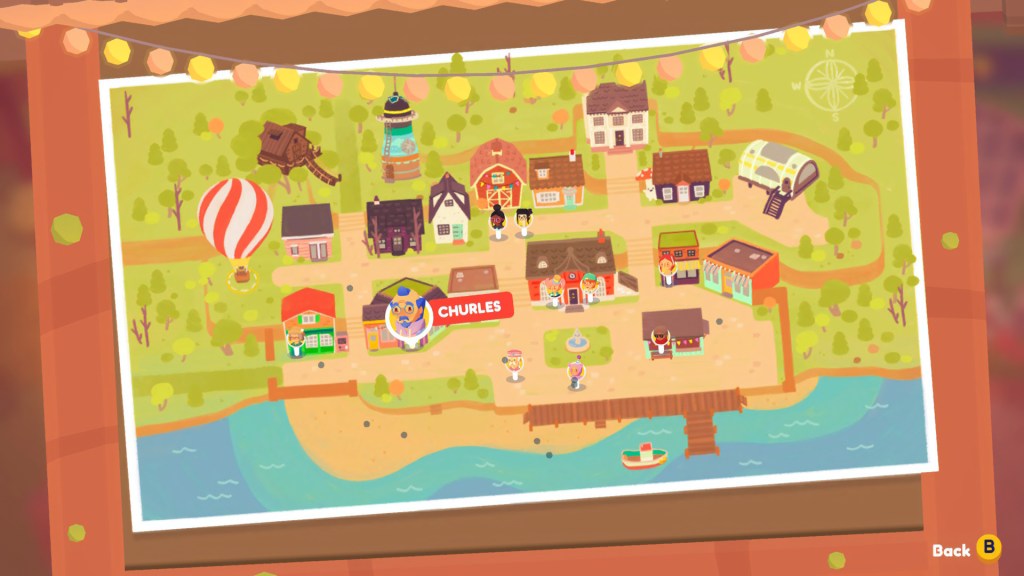
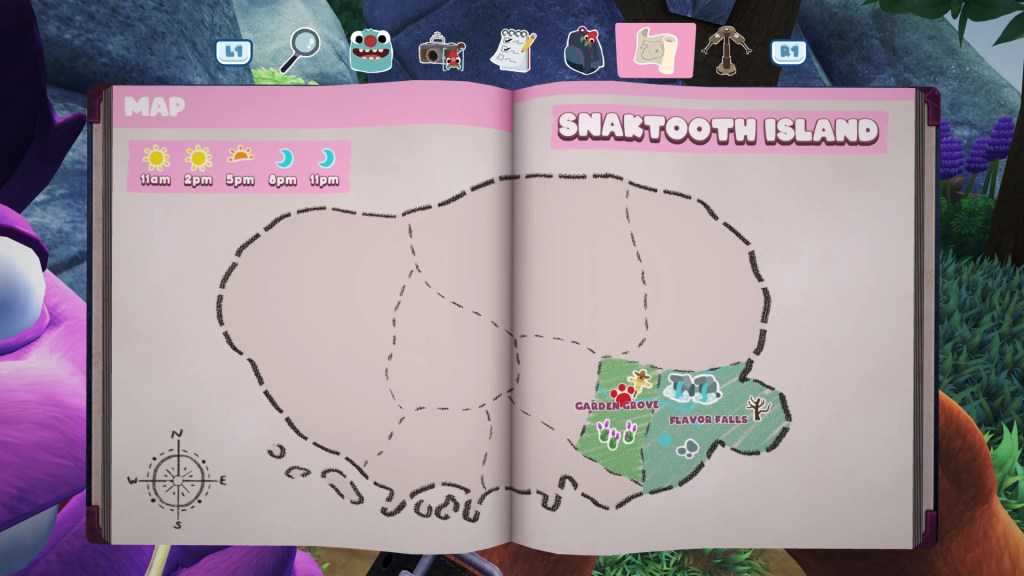
Wireframes (High-Fidelity)
✦
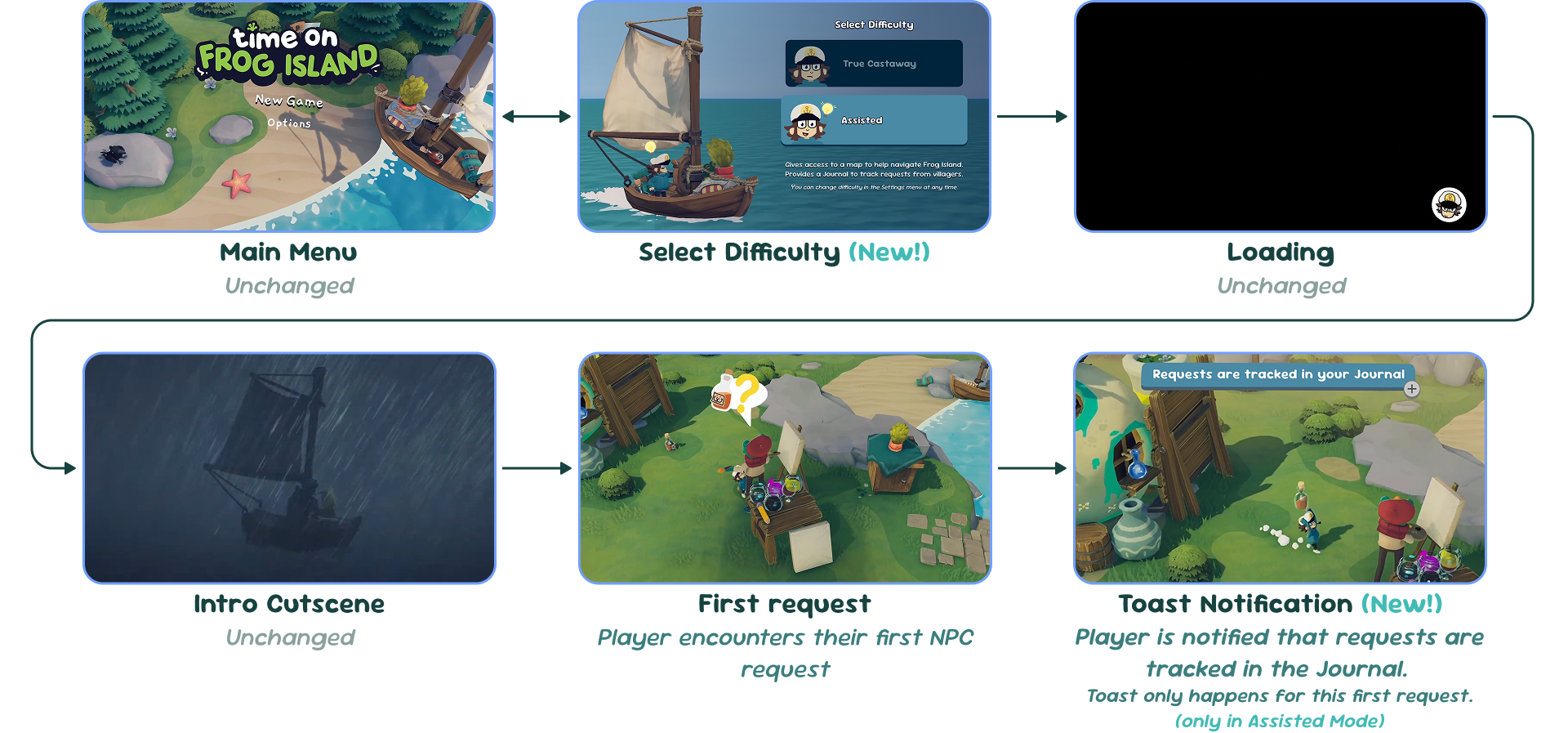
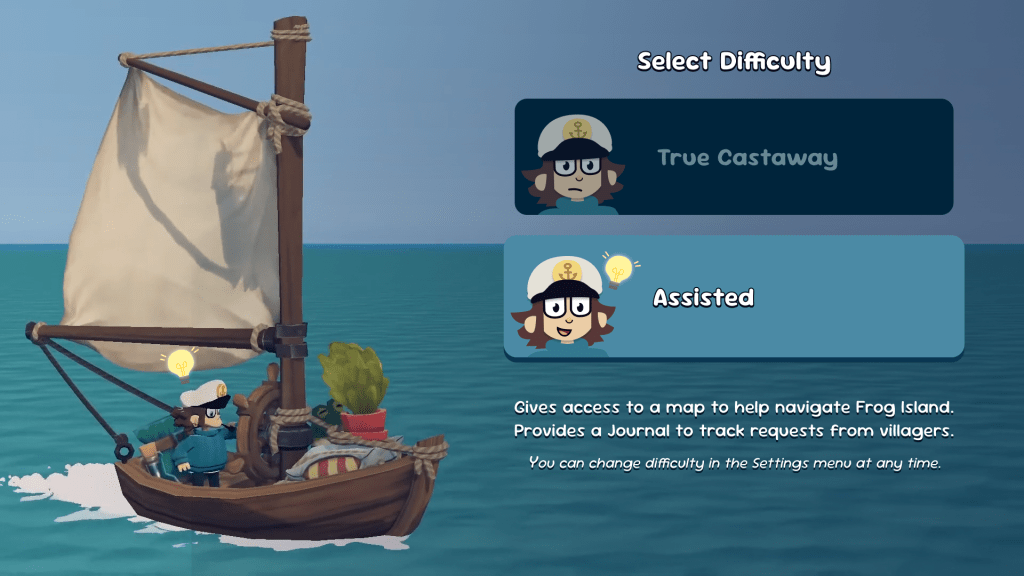
C) Add new features as “Assisted” game difficulty
◆ To respect the original vision of the game, the Journal (Map and Requests) menu would only be available in a special game mode.
◆ When starting a new game, players are asked to choose a difficulty between “True Castaway” and “Assisted” difficulty.
◆ Players can always switch between the two difficulties by changing the difficulty in the Options menu.
To respect the guiding principles:
To reward players, for their hard work, add a special achievement for players who complete the game in ”True Castaway” difficulty (without ever switching to Assisted).
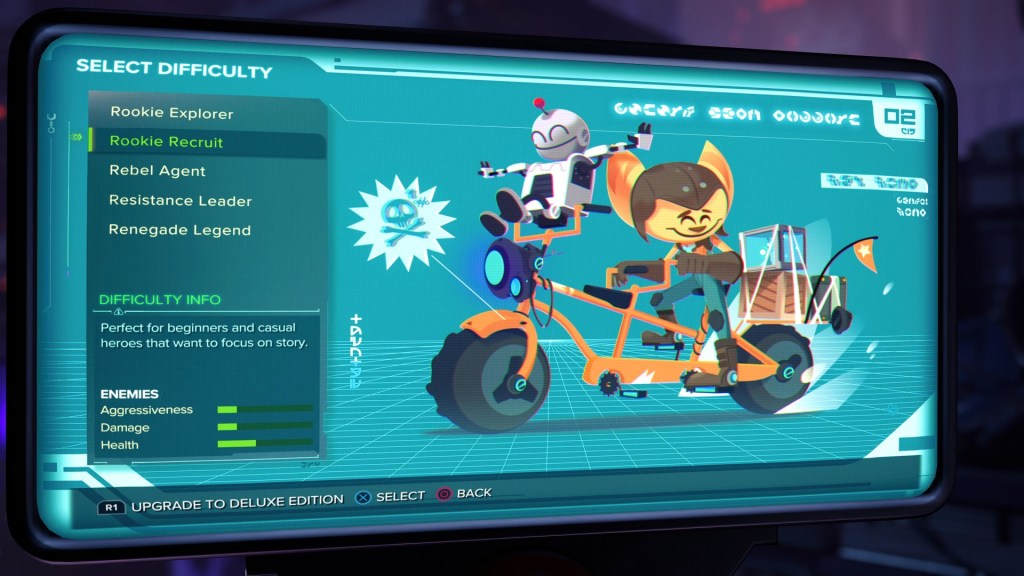
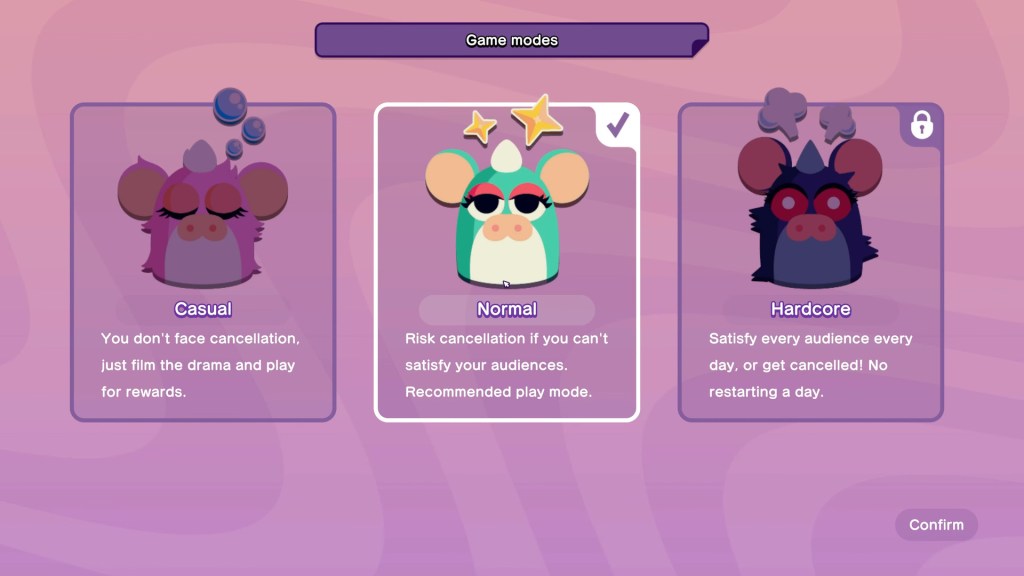
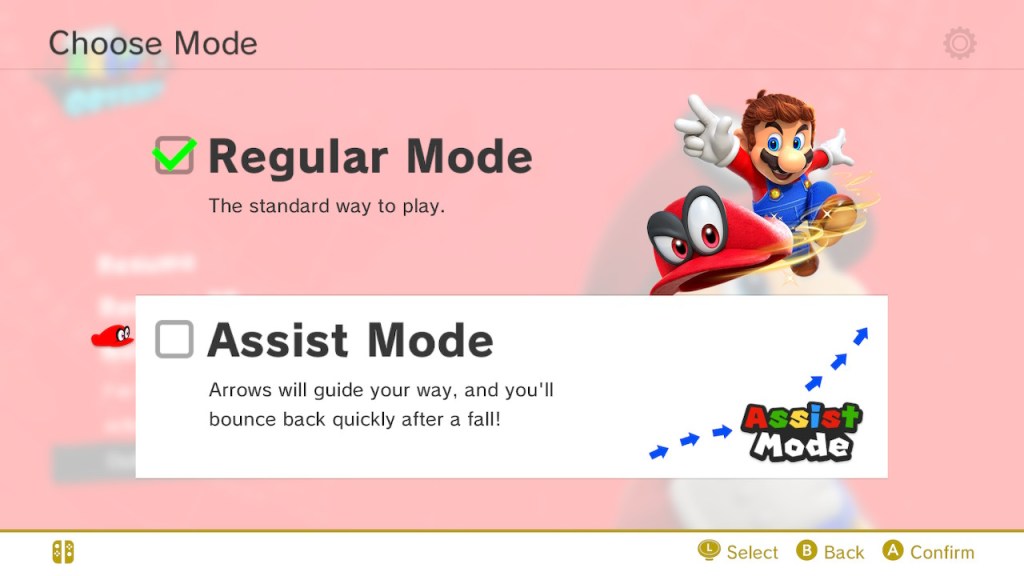
Wireframes (High-Fidelity)
Updated New Game Flow/FTUE